Wet Hire vs Dry Hire: Which Do You Need?
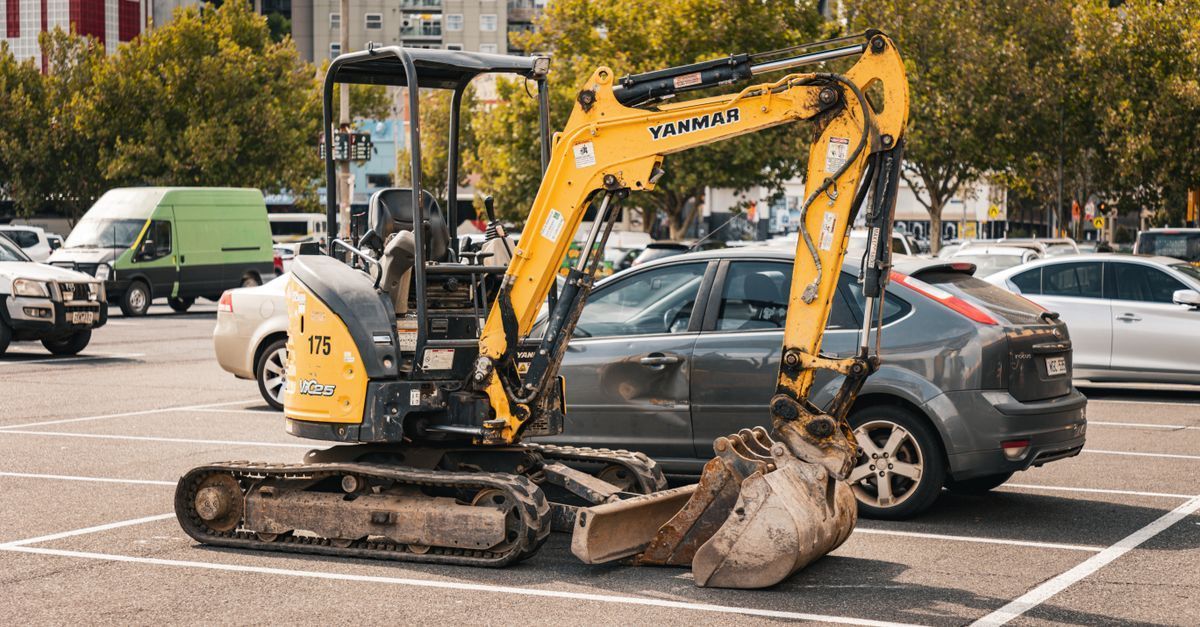
Choosing between wet hire and dry hire can affect the cost, timing and safety of an earthmoving job. The right option depends on your experience, the equipment involved, the site conditions and how much responsibility you want to take on. This guide explains the practical differences so you can make a more informed decision before booking equipment.
What is wet hire?
Wet hire means the equipment is supplied with an operator. The operator is responsible for using the machine and completing the agreed work, while the customer provides access to the site and confirms the project requirements.
This option can suit homeowners, builders and tradies who need excavation or site preparation completed but do not have the experience or confidence to operate the machine themselves. It can also be useful on tight-access sites where careful manoeuvring matters.
Wet hire is not simply equipment rental with an extra person added. The value comes from having someone who understands the machine, can assess the work area and can operate efficiently within the limits of the equipment.
What is dry hire?
Dry hire means you hire the machine without an operator. You or another suitable person on your site takes responsibility for operating it, following the hire conditions and returning it in the required condition.
Dry hire can be suitable when the operator already has practical experience with the type of equipment being hired. It may also work well for projects that need the machine available over a longer period or where the work will be completed gradually.
Before choosing dry hire, consider whether the operator is comfortable with the controls, understands the site risks and can work without damaging nearby structures, services or landscaping.
How do the costs compare?
Dry hire often has a lower base rate because an operator is not included. However, the cheapest hourly or daily rate does not always lead to the lowest total project cost.
An experienced operator may complete excavation, levelling or preparation work faster and with fewer mistakes. Delays, rework, damaged surfaces or incorrect levels can make a dry hire job more expensive than expected.
Wet hire pricing can depend on the machine, operator time, travel, site access, job duration and the type of work required. Dry hire pricing may also involve delivery, collection, fuel, cleaning, damage liability and minimum hire periods.
Which option is better for a small residential project?
For a one-off backyard job, concrete slab preparation or tight-access excavation, wet hire is often the simpler option. It allows the customer to explain the result they need without having to learn how to operate the machine during the project.
Dry hire may be appropriate for experienced builders, landscapers or operators who already use compact machinery regularly. It can also be practical where the site program requires flexibility over several days.
For more detail on the machines available, explore our construction equipment hire options. You can also learn about our backyard earthworks support for smaller residential projects.
Questions to ask before booking
- Who will operate the machine?
- Is the operator familiar with this type and size of equipment?
- How much access is available around the work area?
- Are there underground services, slopes or soft ground?
- Does the job require excavation, levelling, clearing or material movement?
- Will the equipment be needed for a few hours, a full day or longer?
- Who is responsible for fuel, cleaning and transport?
Clear answers to these questions will make it easier to compare wet and dry hire properly rather than focusing only on the advertised rate.
Choosing the right hire arrangement
Wet hire is usually the better choice when you want the work completed by someone familiar with the equipment. Dry hire can be suitable when you have the right experience and want greater control over when the machine is used.
There is no single option that suits every project. Site access, operator ability, job complexity and time all matter. Learn more about our equipment hire and site preparation services, or contact our team to discuss your project before you book.