How Much Does Retaining Wall Site Preparation Cost?

The cost of preparing a site for a retaining wall depends on far more than the wall length. Access, excavation depth, soil type, spoil removal, drainage requirements and the condition of the slope can all affect the work involved. This guide focuses on the preparation stage before a retaining wall is built.
What retaining wall site preparation involves
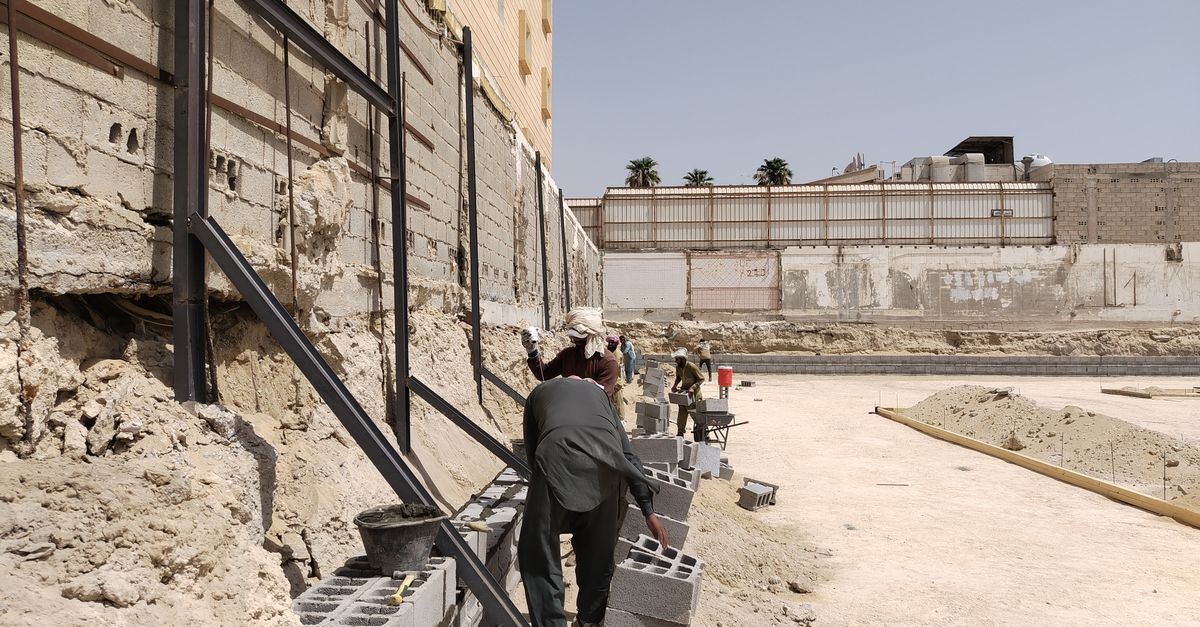
Preparation may include clearing the work area, excavating into a slope, creating a level base, digging footing or post holes and making room for drainage. The exact process depends on the wall design and the requirements set by the builder, landscaper or engineer.
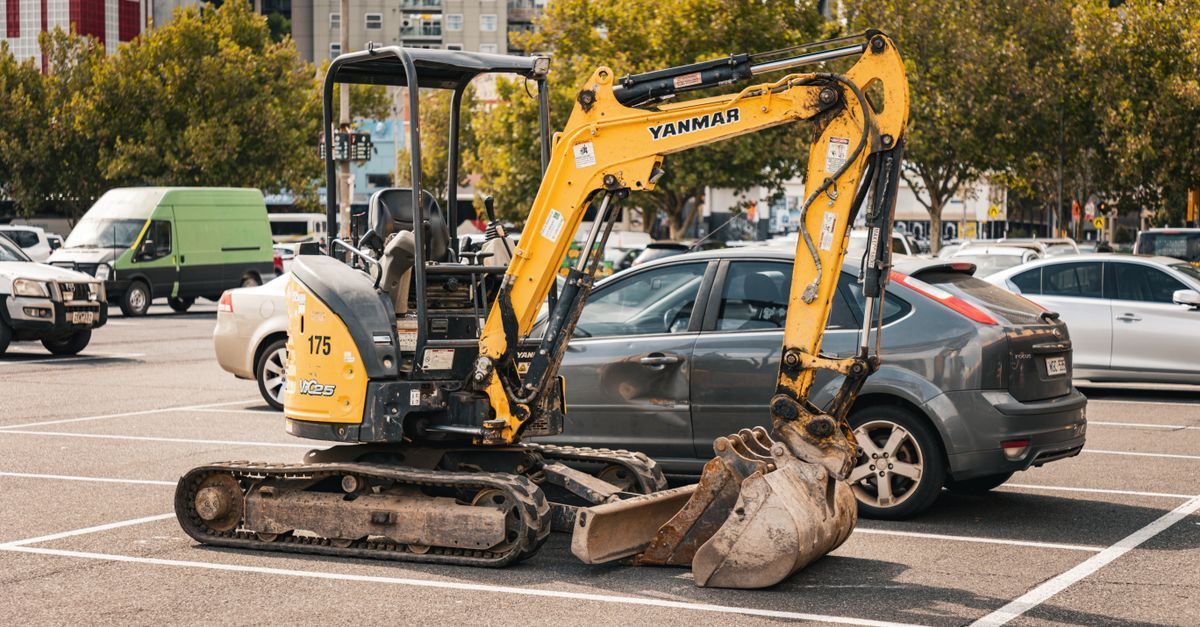
EZY AZZ Equipment HIRE supports the earthworks and groundwork stage. The business does not present itself as a retaining wall builder, so construction, engineering and final design should be handled by the appropriate contractor.
What affects the cost?
Access: Narrow side access, existing fences, gardens or structures can limit machine movement and slow the job.
Excavation: A shallow garden wall generally needs less preparation than a wall cut into a steep or uneven slope.
Soil and buried material: Soft soil, rock, old concrete, roots and wet ground can all change how long excavation takes.
Spoil handling: Costs differ depending on whether excavated material can be reused, stockpiled or must be removed from the property.
Drainage and levels: Space may be needed behind the wall for drainage aggregate, pipework or backfill. Accurate levels are also important for a stable base.
Why there is no useful one-price answer
Online averages rarely account for the actual site. A short wall on an open, flat block may need only limited excavation, while a similar-length wall in a tight backyard may require careful digging and additional material handling.
A proper quote should clearly separate earthworks, construction materials, wall installation, drainage and disposal. This makes it easier to understand which contractor is responsible for each stage.
Information to gather before requesting a quote
- Approximate wall length and height
- Photos of the slope and access
- Known soil or rock conditions
- Location of fences, sheds and services
- Whether excavated material can remain on site
- Any drawings or instructions from the wall installer
For excavation and levelling support, see our backyard earthworks services. You can also explore our outdoor works site preparation.
Planning the job properly
The safest approach is to confirm the wall design and construction requirements before excavation begins. This reduces the risk of preparing the wrong width, depth or level and needing the area reworked.
Learn more about our compact equipment hire options, or contact our team to discuss your site preparation needs.