
Excavator Bucket Sizes: A Simple Guide

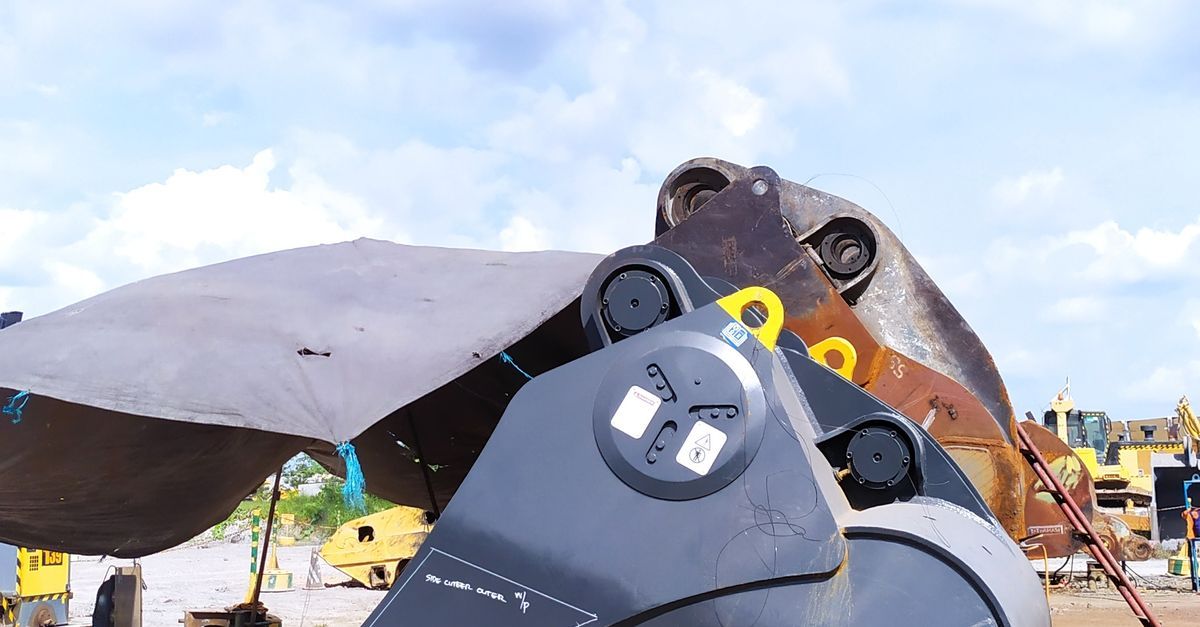
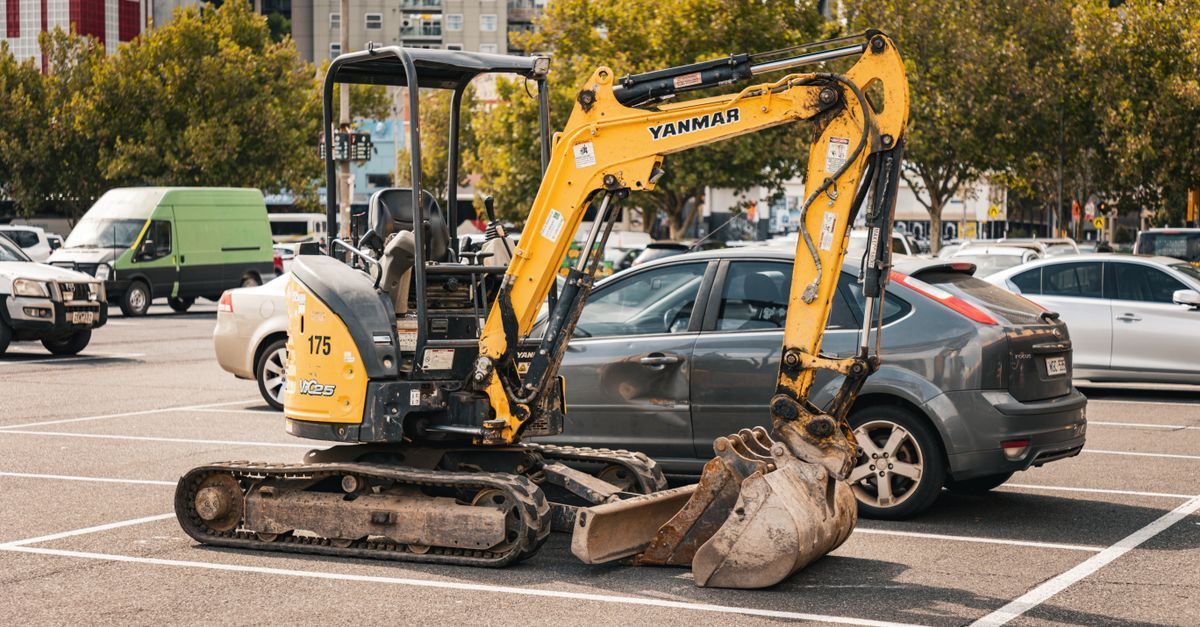
Excavator buckets come in different widths and shapes because digging, trenching, clearing and levelling all place different demands on a machine. The best bucket is not always the widest one. Choosing the right attachment depends on the excavator, the ground conditions and the finish required.
Why bucket size matters
A narrow bucket concentrates digging force into a smaller area, which can help when opening trenches or working in firmer ground. A wider bucket moves more loose material but may be less effective for deep or precise digging.
The excavator must also be able to handle the bucket safely. A bucket that is too large or heavily loaded can reduce stability and make the machine harder to control, especially on slopes or soft ground.
Common bucket types
Narrow trenching buckets are used where a relatively slim excavation is needed. They can suit drainage lines, service trenches and some footing work, depending on the required dimensions.
General-purpose digging buckets offer a balance between digging ability and material capacity. They are commonly used for soil removal, small excavation and residential groundwork.
Wide or batter buckets are designed for shaping, cleaning and levelling rather than heavy penetration. Their broader edge can help tidy excavation surfaces and spread loose material.
Specialised attachments may be needed for rock, grabs or auger work. Availability varies, so never assume every attachment is supplied with every machine.
How ground conditions affect the choice
Loose topsoil can often be moved efficiently with a broader bucket, while compacted soil, roots or rocky ground may need a narrower digging edge. Wet material can also become much heavier than it looks.
For tight-access work, accuracy may matter more than capacity. A smaller bucket can reduce the risk of over-excavating near fences, slabs, gardens or existing structures.
Questions to ask before hiring
- What bucket or attachments are included?
- What width is required for the trench or footing?
- Is the work mainly digging, shaping or clean-up?
- What soil or material will be handled?
- Are there access, slope or stability concerns?
Explore our compact construction equipment hire for information on the available machinery. For practical digging and shaping work, see our backyard earthworks support.
Choose the attachment around the task
Start with the required excavation dimensions and final finish, then match the bucket to the job. The right attachment can improve control and reduce unnecessary rework.
Learn more about our excavation and site preparation services, or contact our team to discuss the equipment required.